
Automation playbook · Pest control
How Pest Control Companies Are Using AI Voice Receptionists to Book More Appointments
An AI voice receptionist for pest control should not try to answer every question. Its useful job is to capture the call, qualify an ordinary request, offer an approved slot, and hand exceptions to the right person.
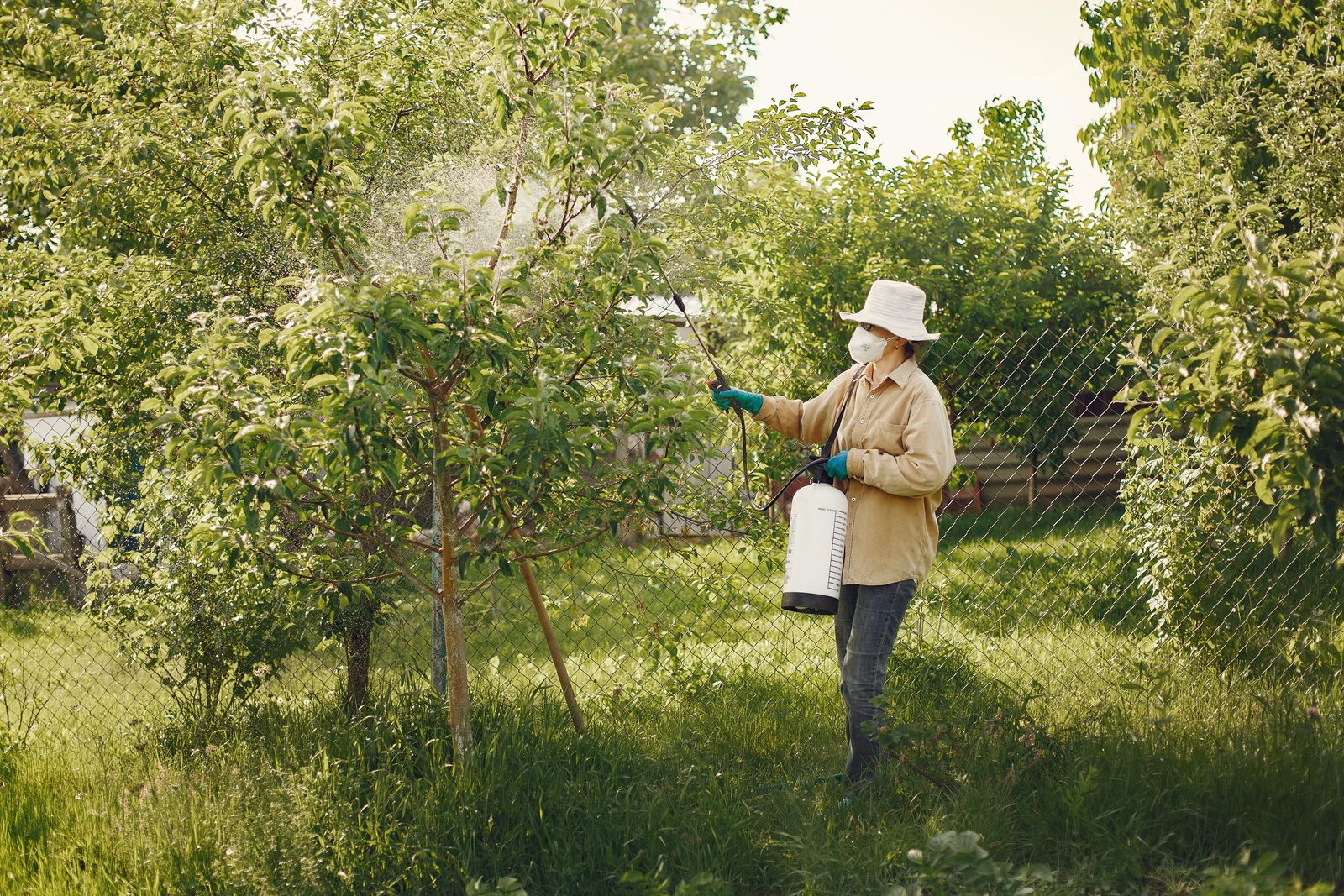
An AI voice receptionist for pest control is most useful when the office cannot answer immediately. A homeowner who finds pests after hours wants to know whether the company serves their area, handles the problem, and can offer a realistic next step. The system succeeds only when it can answer those practical questions safely.
The after-hours moment
That short exchange explains the real job. The system is not replacing pest knowledge. It is preventing a reachable, ordinary inquiry from becoming an unanswered voicemail while preserving a clear route for risk.
Response speed matters, but the evidence has limits
A widely cited Harvard Business Review audit of 2,241 US companies found that companies contacting an online lead within an hour were nearly seven times as likely to qualify it as companies that waited longer. The study was not specific to pest control and measured online leads rather than every phone call. It still supports a modest operational point: long response delays reduce the chance of a useful conversation.
Google's Local Services documentation shows why the call path deserves attention. Service-area advertisers receive leads through calls, messages, and bookings, and Google advises businesses to respond to as many requests as possible. A paid lead that reaches an unattended phone still needs an intake process.
Where an AI voice receptionist for pest control fits
An AI voice receptionist for pest control fits best with ordinary residential inquiries. It can collect the caller's name, contact details, postcode, property type, pest type, visible location, urgency, and preferred time. It can explain the next step using approved language and offer a slot only when the service area, job type, and calendar rules agree.
Do not begin with every call. Commercial contracts, pesticide exposure, medical symptoms, serious infestations, legal disputes, refunds, and emotionally charged complaints need a person. The system should recognize the boundary quickly and create a useful handoff note.
Write the questions in the order a competent receptionist would use them. The caller should not complete a long interview before learning that the company does not cover the postcode or pest type. Early eligibility checks keep the conversation shorter and reduce unnecessary collection of personal information.
A booking decision, not a script
The next question depends on the answer above it.
Connect conversation to current business data
Realtime voice technology can listen, respond, and call software tools. OpenAI's Realtime API supports live sessions and SIP telephony, but an AI voice receptionist for pest control does not know the company's current schedule or policies by itself.
The workflow needs read access to approved service areas, job types, opening hours, technician availability, and booking duration. Write access should be narrower. A booking action should include the caller details, captured answers, source, confirmation status, and any uncertainty that a person needs to review.
Calendar availability also needs a definition. A blank slot is not automatically bookable if travel time, technician skill, preparation, or an existing customer promise makes it unusable. The integration should expose approved availability rather than giving the voice model unrestricted access to every gap.
Routine intake
Capture details, check defined coverage, offer approved slots, send confirmation, and log the interaction.
Judgment and risk
Safety concerns, chemical exposure, uncertain pricing, complaints, contracts, exceptions, and unsupported pest types.
Design the handoff before the happy path
A handoff should preserve what the caller already explained. The employee needs the caller's goal, relevant answers, the reason for escalation, urgency, and the best callback route. Repeating the entire interview makes automation feel like an obstacle.
When no person is immediately available, the system should state that clearly, set an honest expectation, and create a tracked task. It should never imply that a booking, price, or emergency response is confirmed when the connected system has not accepted it.
- Caller goal
- Remove wasps near a child's bedroom window
- Known
- Residential property, supported postcode, outdoor entry point
- Escalation
- Potential safety concern and request for next-day service
- Next action
- On-call employee reviews and returns the call
Pilot one call type and measure corrections
- Choose one entry point. Start with after-hours residential inquiries or overflow calls.
- List supported and unsupported cases. Test edge cases before real callers reach them.
- Connect a restricted calendar. Use only slots and durations the office has approved.
- Review every early interaction. Track corrected fields, failed handoffs, duplicate bookings, and caller confusion.
- Expand only after stability. Add job types or permissions one controlled step at a time.
The booking is not the only outcome worth measuring. A good pilot also reduces repeated questions, preserves accurate handoffs, and makes exceptions easier for the office to resolve.
Sources
- Harvard Business Review: The Short Life of Online Sales Leads, audit of 2,241 US companies, March 2011.
- Google Local Services: Manage leads and jobs, checked 16 August 2026.
- Google Local Services Ads: Getting started, checked 16 August 2026.
- OpenAI Realtime API reference, checked 16 August 2026.
Map the booking rules and handoffs before selecting the voice model
Norrsyn can help define the intake questions, calendar permissions, CRM record, escalation path, and pilot measures for a controlled voice workflow.
Book a free automation audit
Reader discussion
Join the discussion
Share a practical question, correction, or experience related to this article.